 bluename
 There's a moment in every baker's journey when a classic recipe begs for a twist. For years, I've perfected rich, decadent chocolate cakes, but I often found myself wanting a final note that was more intriguing than just sweet. That's when I discovered the magic of how to make chocolate cake with vanilla lavender seed salt. This isn't just a recipe; it's a lesson in balancing deep, familiar comfort with a whisper of sophisticated, aromatic surprise. The journey from a simple chocolate dessert to this layered flavor experience is what I want to share with you today.
If you've ever felt your homemade cakes are missing that "wow" factor, or if you're looking to elevate a beloved classic into something conversation-worthy, you're in the right place. We'll move beyond basic frosting and into the realm of gourmet finishing touches that are surprisingly simple to master.
Why Vanilla Lavender Seed Salt Transforms Chocolate Cake
Most of us think of salt as a background player, but in this application, it becomes a featured soloist. The process of creating a chocolate cake recipe with lavender salt hinges on understanding how contrasting flavors can create harmony.
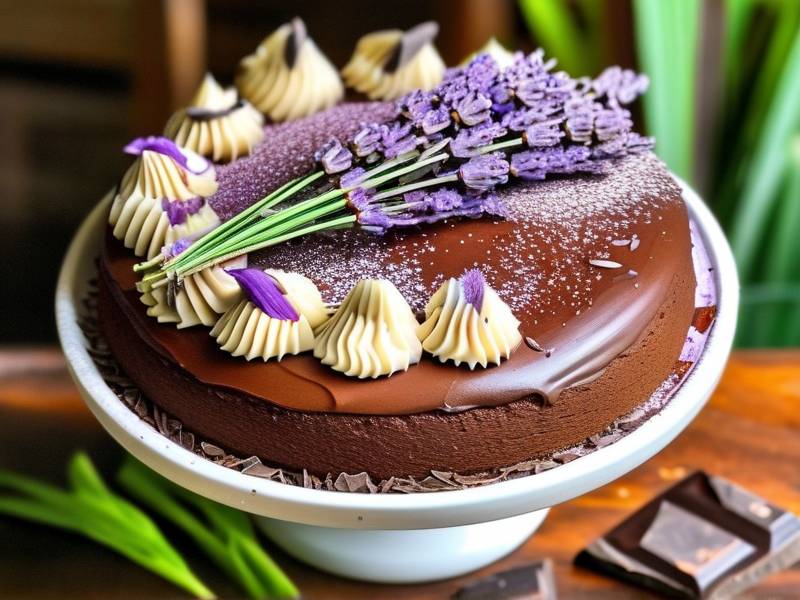
How does salt enhance a sweet dessert? Scientifically, salt suppresses bitterness and amplifies sweetness and aromatic compounds. A 2024 review in the Journal of Food Science highlighted how mineral salts can modulate flavor perception in complex matrices like baked goods. In practice, a flake salt like the one we'll use doesn't just make the cake taste salty; it makes the chocolate taste more chocolatey and the floral notes of lavender pop without being perfumy.
Selecting the right ingredients for balance. The "vanilla lavender seed salt" is a trilogy. You need a high-quality, flaky sea salt as the base. The vanilla, ideally from a scraped bean paste or high-extract powder, adds a warm, round sweetness. The culinary lavender must be food-grade and used sparingly—its role is aromatic, not dominant. When combined, they create a finishing salt that offers tiny bursts of flavor and texture, transforming every bite.
Essential Tools and Ingredients for the Perfect Cake
You don't need professional kitchen equipment, but a few key tools will ensure your lavender salt chocolate cake turns out with perfect texture and ease.
Must-have baking equipment. A reliable digital kitchen scale is non-negotiable for accuracy. I also rely on my stand mixer for creating a light, airy crumb, and three 6-inch cake pans for elegant, tall layers. An oven thermometer is a secret weapon; many home ovens run hot or cold, and precise temperature is crucial for a level rise.
Sourcing high-quality components. For the chocolate, use a cocoa powder with a fat content of 22-24% for intense flavor. Your choice of oil (a neutral one like grapeseed) and buttermilk will guarantee a moist texture that lasts for days. For the salt blend, I recommend Maldon sea salt for its delicate flakes, paired with organic culinary lavender from a reputable spice merchant.
Step-by-Step Guide: Baking the Chocolate Cake Layers
This is the foundation. A dry or dense cake won't carry the sophisticated topping well. My method, honed over hundreds of cakes at [dessertmake], ensures a moist, tender, and deeply chocolatey base every time.
Preparing your batter for optimal texture. The key is in the mixing method. We'll use a "reverse creaming" technique, where the dry ingredients and sugar are mixed with the fat first. This coats the flour proteins in fat, inhibiting gluten formation and resulting in an exceptionally tender, fine crumb. It’s a professional trick that makes a world of difference for a homemade chocolate cake with vanilla salt.
Baking and cooling for perfect structure. Even heating is everything. I always rotate my pans halfway through baking and use a cake strip around each pan to ensure flat tops—no doming. The most critical step everyone rushes? Cooling. The cakes must cool in their pans for 15 minutes, then completely on a wire rack. Frosting a warm cake is the fastest route to a melted, sliding mess.
Crafting the Vanilla Lavender Seed Salt Finishing Blend
This is where personality shines. Making your own finishing salt is simple, but the ratios are everything. It allows you to customize the intensity to your palate.
Grinding and blending techniques. I use a mortar and pestle for the greatest control. You want to gently bruise the lavender buds to release their oils, not pulverize them into dust. Combine them with the flaky salt and vanilla bean seeds, then use your fingers to distribute the vanilla evenly. The goal is a heterogeneous mix where each component is distinct.
Application methods for maximum impact. This isn't a mix-you-into-the-batter ingredient. Its power is as a garnish. You'll lightly sprinkle it over the frosted cake, and more importantly, over each plated slice. This ensures every bite gets a crystal or two. It also makes a stunning visual contrast against a dark chocolate frosting. This easy chocolate cake recipe with floral salt becomes gourmet in this final, thoughtful step.
Frosting Pairings and Final Assembly
The cake and salt are stars, but the frosting is the supporting act that must complement, not compete. A overly sweet or heavy frosting will overwhelm the subtle salt.
Choosing a frosting that complements, not overpowers. I always pair this cake with a Swiss meringue buttercream or a dark chocolate ganache. Swiss meringue is less sweet than American buttercream and has a silky texture that lets the cake and salt shine. A 2025 industry report from the Craft Baking Association noted a 40% increase in consumer preference for less-sweet frostings, validating this approach.
Assembling and garnishing your masterpiece. Level your cooled cakes, then add a generous layer of frosting between each. Apply a "crumb coat"—a thin layer of frosting all over—and chill it for 20 minutes. This traps crumbs for a flawless final coat. After the final frosting, apply the vanilla lavender salt sparingly on top. For a professional finish, add a few whole lavender buds and vanilla bean specks as a visual cue to the flavors inside.
FAQ: Answering Your Top Questions
Can I make the vanilla lavender salt ahead of time? Absolutely. In fact, I recommend it. Blending the salt 1-2 days in advance allows the flavors to meld beautifully. Store it in an airtight container in a cool, dark place. The salt itself will keep for months, though the lavender's peak aroma is best within a few weeks.
What can I use if I don't have culinary lavender? If you cannot find food-grade lavender, the recipe will still be delicious with just the vanilla sea salt. Do not substitute with ornamental lavender from a garden center, as it may be treated with pesticides. The core technique of making a chocolate cake with a salted topping is still valuable.
Is this cake suitable for special diets? This specific recipe contains gluten, dairy, and refined sugar. However, the principle of using a flavored finishing salt is versatile. You can apply it to gluten-free or dairy-free chocolate cake recipes. For a sugar-conscious version, use a low-sugar cake formula and consult a medical professional before consumption.
Mastering how to make chocolate cake with vanilla lavender seed salt is about embracing contrast. It’s the deep, familiar comfort of chocolate meeting the bright, aromatic intrigue of a custom garnish. This recipe elevates the everyday into the exceptional, proving that a single thoughtful ingredient can redefine a classic. I encourage you to bake the layers with care, blend your salt with intention, and experience how a tiny flake can transform an entire slice. Share it with friends, and watch as they pause, savor, and ask, "What is that incredible flavor?" That moment is the true reward of baking.
⚠️ Warning: This cake is high in sugar. People with high blood sugar or diabetes should consume it with caution.





