 bluename
 How to Make Cheesecake Cookies: Wonderful Combination of Cheese and Cookies
I’ve been a professional baker for years, and if there’s one question I hear all the time, it’s this: “I love the creamy, tangy richness of cheesecake, but making a whole one is so time-consuming and heavy. Isn’t there a way to get that flavor in a simpler, more shareable treat?” If you’ve ever felt this frustration, you’re not alone. The desire for that iconic flavor without the fuss is a real baking pain point. That’s exactly why mastering how to make cheesecake cookies is such a game-changer. This wonderful combination of cheese and cookies delivers the soul-satisfying taste of cheesecake in a perfectly portable, bite-sized form.
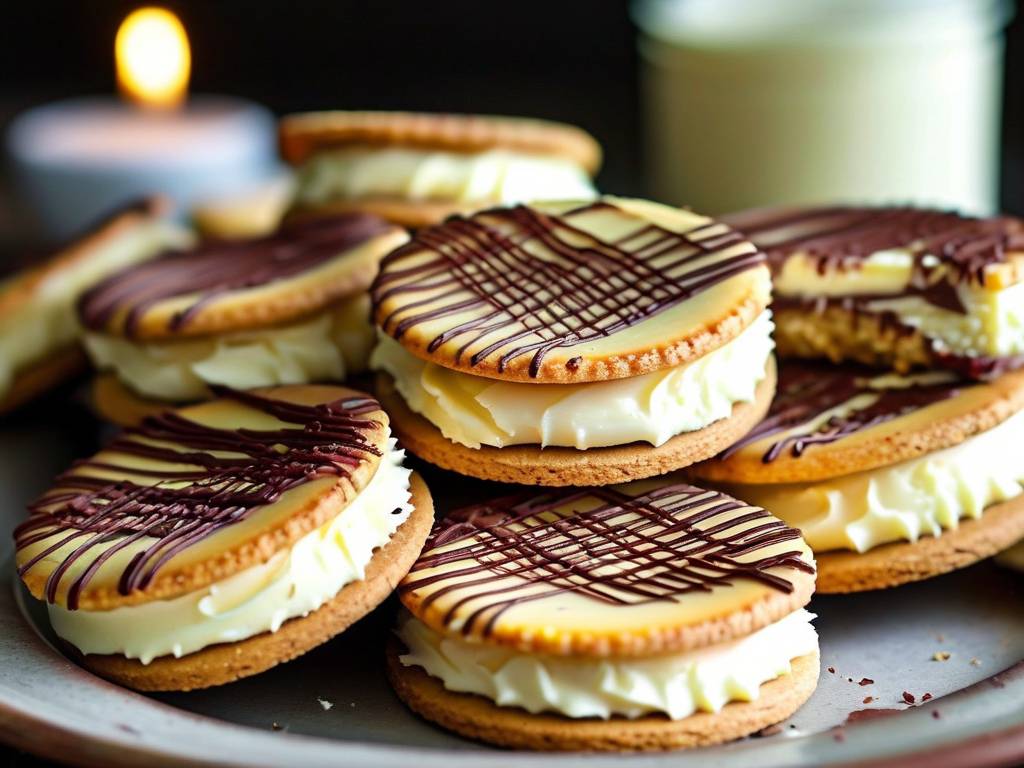
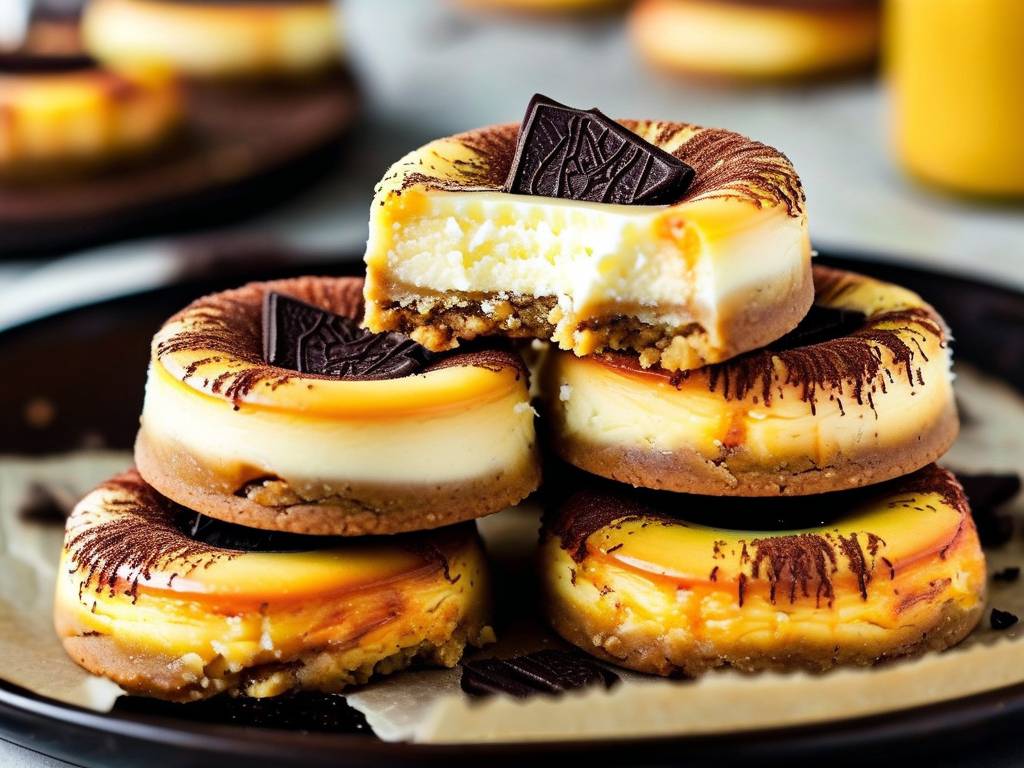
This isn’t just a random mash-up. It’s a carefully crafted fusion where a buttery, tender cookie meets a creamy, slightly tangy cheesecake filling. Imagine the best parts of a New York-style cheesecake—the dense, smooth texture and rich flavor—encased in a golden, crumbly cookie exterior. It solves the problem of portion control, simplifies the process by eliminating the need for a water bath, and offers endless creative variations. Let me guide you through everything you need to know to create these delightful treats successfully.
Understanding the Core Ingredients
The magic of a perfect cheesecake cookie lies in the balance and quality of its components. Each ingredient plays a specific role, and understanding this will elevate your baking from good to exceptional.
For the cookie base, you’ll need all-purpose flour for structure, granulated sugar for sweetness and spread, and brown sugar for moisture and a deeper, caramel-like flavor. Unsalted butter is non-negotiable; it provides the rich, tender crumb. A touch of vanilla extract and a pinch of salt round out the flavor profile, making the cookie a worthy partner to the filling.
The cheesecake component is where the star shines. Full-fat cream cheese is essential. As noted in The Professional Pastry Chef, the fat content in cream cheese is crucial for achieving a stable, creamy filling that won’t weep or become grainy. An egg yolk adds richness and helps bind the filling, while a bit of sugar and a splash of lemon juice or sour cream provide the classic tangy contrast that defines a great cheesecake.
Step-by-Step Guide to Perfect Cheesecake Cookies
Now, let’s get into the practical steps. I’ll walk you through my tested method, which ensures a defined cheesecake center and a perfectly baked cookie.
First, prepare the cheesecake filling. In a medium bowl, beat 4 ounces of softened, full-fat cream cheese with two tablespoons of granulated sugar until smooth. Beat in one egg yolk and half a teaspoon of vanilla extract. For that signature tang, stir in half a teaspoon of fresh lemon juice. Cover this mixture and chill it in the refrigerator for at least 30 minutes. This step is critical—a firmer filling is much easier to portion and will hold its shape in the oven.
While the filling chills, make the cookie dough. Cream together one stick of softened unsalted butter with a quarter cup of granulated sugar and a quarter cup of packed brown sugar until light and fluffy. Mix in one teaspoon of vanilla extract and a quarter teaspoon of salt. Gradually add one and a quarter cups of all-purpose flour, mixing just until combined. Do not overmix. Wrap this dough and let it chill alongside the filling. A chilled dough prevents excessive spreading and allows the flavors to meld.
The Art of Assembly and Baking
Preheat your oven to 325°F (165°C). Line baking sheets with parchment paper. This is my secret for even baking and easy cleanup.
Scoop the chilled cookie dough into rounded tablespoons. Flatten each ball slightly in the palm of your hand to create a small disc. Using a teaspoon or a small scoop, place a dollop of the chilled cheesecake filling in the center of each dough disc. Gently fold the edges of the cookie dough up and around the filling, pinching it closed to fully encapsulate the cheesecake. Roll it gently into a smooth ball and place it seam-side down on the baking sheet. Leave about two inches between each cookie.
Bake for 12-15 minutes, or just until the edges are set and lightly golden. The centers will still look soft—this is what you want! They will firm up as they cool. Let the cookies rest on the baking sheet for 5 minutes before transferring them to a wire rack to cool completely. This patience allows the cheesecake center to set properly.
Creative Flavor Variations and Troubleshooting
Once you’ve mastered the classic version, the fun begins. This wonderful combination of cheese and cookies is a fantastic canvas for creativity.
For a fruity twist, press a small indentation into the baked, warm cookies and fill it with a teaspoon of your favorite fruit preserves. A drizzle of salted caramel or a sprinkle of crushed graham crackers before baking instantly evokes the classic cheesecake experience. For chocolate lovers, fold mini chocolate chips into the cookie dough or dust the finished cookies with cocoa powder.
If your cookies spread too much, your dough or filling likely wasn’t chilled sufficiently. If the cheesecake filling leaks, ensure it’s fully enclosed and that your oven temperature is accurate—an oven thermometer is a baker’s best friend. A slightly underbaked center is preferable to a dry, overbaked cookie.
Why This Recipe Works: The Science of Satisfaction
This recipe isn’t just a collection of steps; it’s designed for success. The lower baking temperature (325°F vs. a typical 350°F for cookies) allows the cookie exterior to bake gently while the cheesecake center heats through without curdling or cracking. Chilling both components is the key technique that prevents a melted mess and gives you distinct, beautiful layers in every bite. It’s this attention to detail that transforms a simple idea into an extraordinary treat.
Frequently Asked Questions
Can I use low-fat cream cheese? I strongly advise against it. The higher water content in low-fat or Neufchâtel cheese can cause the filling to be runny and may lead to cracking during baking. For the best texture and flavor, full-fat is the way to go.
How should I store these cookies? Due to the perishable cream cheese filling, these cookies must be stored in an airtight container in the refrigerator. They will keep for up to 4 days. You can also freeze the unbaked, filled dough balls on a tray before transferring them to a freezer bag. Bake directly from frozen, adding 1-2 minutes to the baking time.
My filling soaked into the cookie dough. What happened? This usually means the cheesecake filling was too warm or thin when assembled. Ensure both components are thoroughly chilled. Also, work quickly during assembly to keep the dough and filling cool.
Mastering how to make cheesecake cookies opens up a world of delicious possibilities. It’s a recipe that respects the elegance of cheesecake while embracing the joyful simplicity of a cookie. By following these detailed steps and understanding the why behind them, you’re equipped to create a consistently impressive treat that will delight anyone who tries it. The wonderful combination of cheese and cookies is more than a trend; it’s a testament to the endless creativity found in the kitchen. Now, it’s your turn to preheat the oven and experience the magic for yourself.
⚠️ 温馨提示:本款蛋糕含糖量较高,高血糖/糖尿病患者请谨慎食用。





