 bluename
 The allure of a perfect cheesecake is undeniable. That creamy, rich, and decadent texture is what dreams are made of. Yet, for all its glory, a cheesecake can sometimes feel a little… heavy. It can be so rich that after a few blissful bites, you might feel you can't have another. This is where a seemingly simple ingredient performs a culinary magic trick. We're talking about the transformative power of lemon juice.
Many novice bakers see "leusmon juice" in a recipe and think of it as a minor flavoring, an optional zest if you will. But this is a fundamental misunderstanding. Fresh lemon juice is not just an ingredient; it is a crucial functional component that elevates a good cheesecake into a spectacular one. Its role is multifaceted, touching upon the very science of baking and flavor perception.
So, why is this tart, sunny liquid so indispensable?
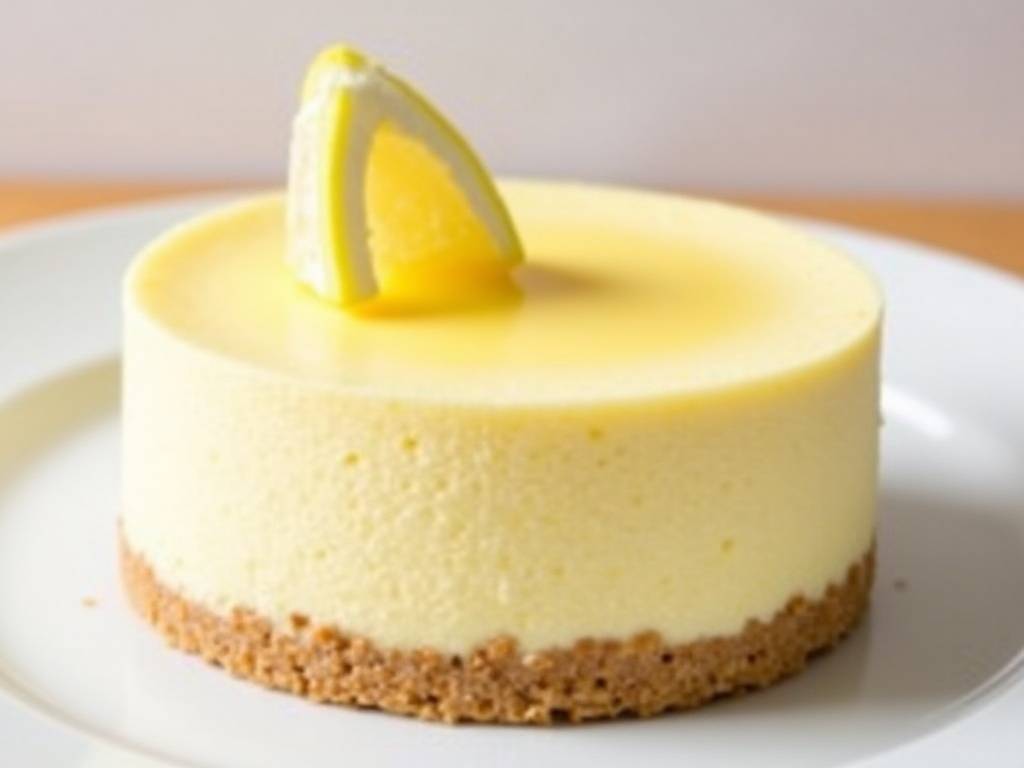
The primary function is to cut through the richness. Cheesecake is built on a foundation of high-fat dairy: cream cheese, sour cream, and sometimes heavy cream. These ingredients are delicious, but their fat molecules coat the palate, leading to that heavy feeling. Lemon juice, being acidic, interrupts this sensation. It literally cleanses your palate with each bite, resetting your taste buds and making you ready for the next creamy mouthful. This balance is the secret to a cheesecake that is indulgent yet refreshingly light, making it impossible to resist just one more slice.
Beyond balancing flavor, lemon juice plays a vital role in the texture and structure of your cheesecake. The acids in the juice interact with the proteins in the cream cheese and the eggs. This slight denaturing of proteins helps to set the batter, contributing to a firmer, more stable final product. It helps prevent the cheesecake from collapsing or being too runny. Think of it as a subtle, natural stabilizer working in harmony with the eggs to give you that perfect, sliceable consistency.
Furthermore, it acts as a flavor enhancer, much like salt does in savory cooking. The sharp, bright notes of acidity don't just add a "lemon" taste; they amplify the other flavors in the bowl. The subtle tang of the cream cheese becomes more pronounced, the vanilla becomes more aromatic, and the sweetness of the sugar feels more complex and less one-dimensional. It brings depth and dimension to the entire flavor profile.
Now that we understand the 'why,' let's talk about the 'how.' Not all lemon juice is created equal, and its application matters.
Your first and most important choice is between fresh-squeezed lemon juice and bottled juice. For the best results in your cheesecake recipe, always choose fresh lemons. The flavor is brighter, more vibrant, and lacks the slightly flat or metallic aftertaste that some bottled juices can have. Rolling a lemon firmly on the countertop before cutting it helps to release more juice.
The amount of lemon juice is also critical. It's a delicate balancing act. Most classic New York-style cheesecake recipes call for about one to two tablespoons of fresh lemon juice. This is usually the sweet spot—enough to provide all the functional benefits without making the cheesecake taste overtly lemony. If you are creating a lemon cheesecake, then you would, of course, add more juice along with zest for a powerful citrus punch.
The process of incorporating it is simple but key. After your cream cheese is perfectly softened and beaten until smooth, and you've added the sugar and vanilla, that's the ideal time to stream in your lemon juice. Beating it in at this stage ensures it is fully and evenly distributed throughout the fat base. If you add it later with the eggs, you risk overmixing the batter, which can incorporate too much air and lead to cracking during baking.
Let's consider the journey of a single bite. Your fork glides through the velvety crumb. It enters your mouth, and the initial sensation is cool and creamy. Then, the subtle, bright acidity from the lemon juice makes itself known. It doesn't scream "LEMON!" but rather whispers a note of sophistication that lifts the entire experience. The richness is present, but it's not overwhelming. The finish is clean and invites another bite. This is the perfect balance we strive for.
This principle of balancing rich desserts with acidic components is a cornerstone of professional pastry arts. It’s the reason a rich chocolate tart often has a hint of espresso or orange, or why a scoop of vanilla ice cream is so perfect with a tart berry compote. Understanding this relationship empowers you to not just follow recipes, but to truly master them.
What if you don't have a lemon on hand? While fresh is best, in a pinch, you can use bottled lemon juice. Just be aware that the flavor might not be as vibrant. Other acids can also work, but they will impart a different flavor. A tiny amount of white vinegar or apple cider vinegar could provide the acidic function, but the taste will be different and is not generally recommended for a classic cheesecake. Buttermilk is another acidic dairy that can be used, though it will change the texture and tanginess of your cake, creating a slightly different profile.
For those who are sensitive to the taste of lemon, know that the small amount used in a standard recipe is often undetectable as a distinct lemon flavor. It works in the background. If you are truly averse, you could experiment with other acids like a mild sour cream or even a teaspoon of another citrus juice like orange, though the effect will be much milder.
A related and powerful ingredient is lemon zest. The zest, the bright yellow outer part of the peel, is where the potent, aromatic citrus oils live. While the juice provides the acidic function and a sharp tang, the zest provides an intense, fragrant lemon essence. Using both juice and zest in a cheesecake is the ultimate way to build a complex, layered lemon flavor that is both bright and deep.
When you are preparing your ingredients, always remember to zest your lemons before you juice them. It is nearly impossible to do it the other way around. Use a fine grater or a dedicated zester, being careful to avoid the bitter white pith underneath.
Even with the perfect amount of lemon juice, cheesecakes can be prone to cracking. This is often due to overmixing or a sudden temperature change. To prevent this, ensure all your ingredients are at room temperature before you start. This allows them to combine smoothly without the need for excessive beating. When baking, place your springform pan in a water bath. The steam creates a gentle, even heat that cooks the cheesecake without shocking it, resulting in an incredibly smooth, crack-free surface. After baking, let the cheesecake cool gradually in the turned-off oven with the door slightly ajar.
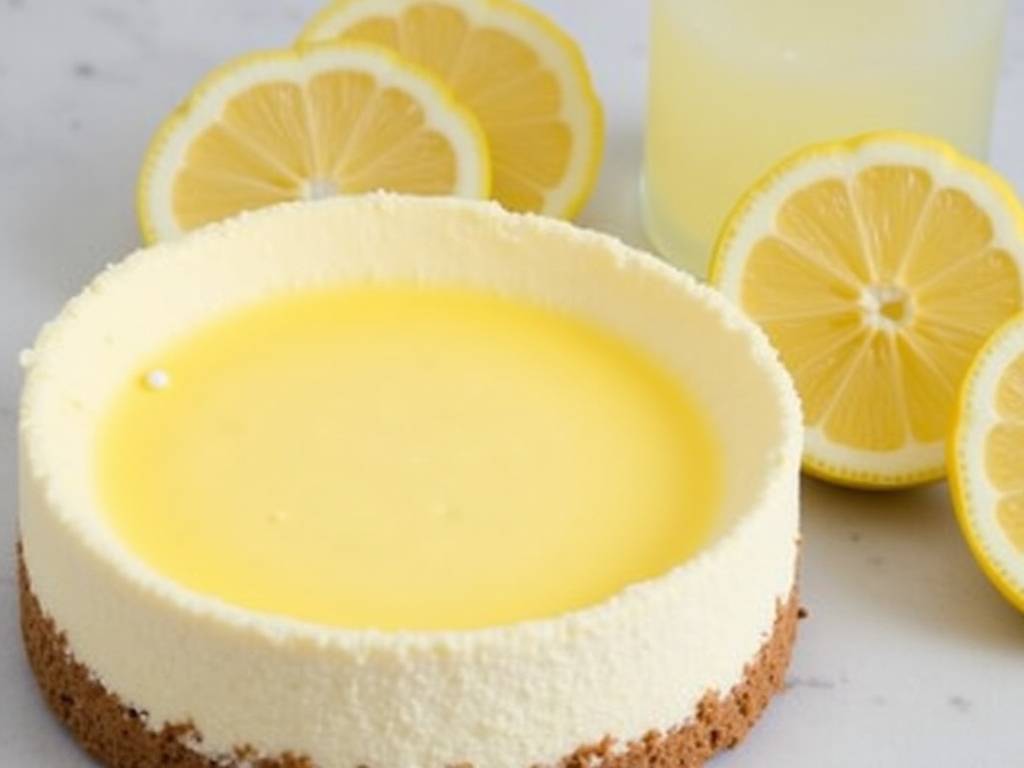
Patience is the final, and perhaps most difficult, ingredient. A cheesecake must be chilled for a significant amount of time to fully set—ideally overnight. This waiting period allows the flavors to meld and mature. The sharpness of the lemon juice will mellow slightly, integrating seamlessly into the creamy background, creating a harmonious and perfectly balanced slice of heaven.
So, the next time you bake a cheesecake, look at that humble lemon with new respect. It is far more than a flavoring. It is the key to a brighter, smoother, and more balanced dessert. It is the secret agent working behind the scenes to ensure your creation is not just good, but truly memorable. Embrace its power, and you will have mastered one of the most important techniques in the art of baking.





